
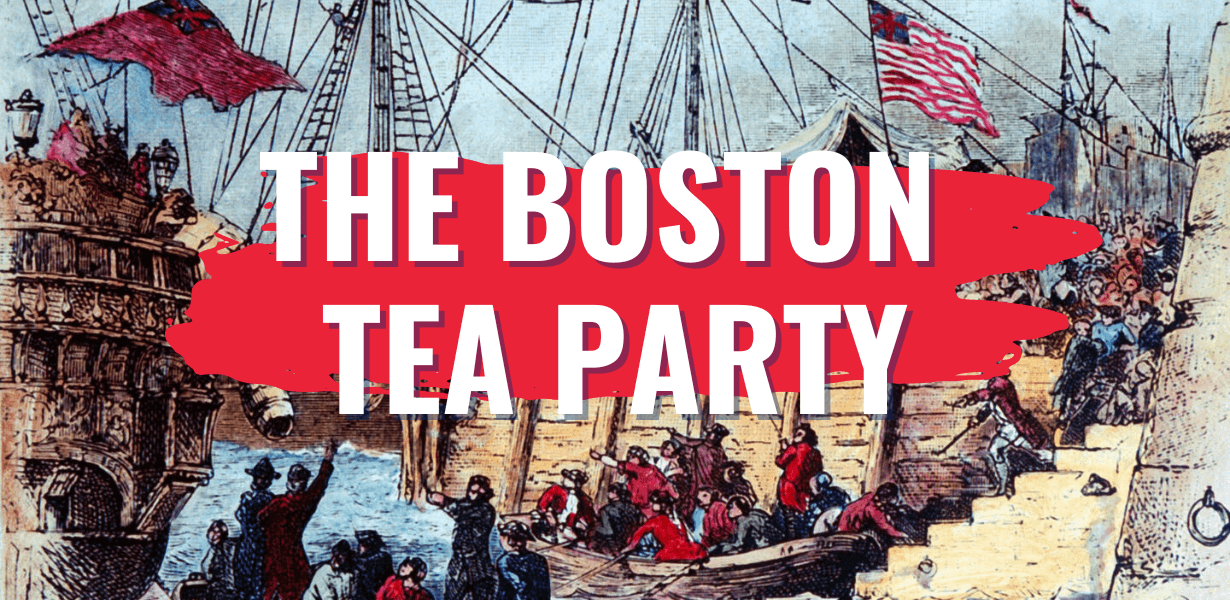

THE BOSTON TEA PARTY: A CATALYST FOR REVOLUTION
A Festa do Chá de Boston: Um Catalisador para a Revolução
The crisp December air of 1773 in Boston, Massachusetts, was thick with tension. Years of simmering resentment against British rule were about to boil over in an act of defiance that would forever alter the course of American history. The event, famously known as the Boston Tea Party, was not merely a spontaneous outburst but the culmination of a decade of escalating grievances, a dramatic protest against what the American colonists perceived as oppressive taxation and a blatant disregard for their rights. To truly understand this pivotal moment, we must delve into its complex causes, meticulously recount its unfolding, and carefully examine its profound consequences.
O ar fresco de dezembro de 1773 em Boston, Massachusetts, estava carregado de tensão. Anos de ressentimento latente contra o domínio britânico estavam prestes a explodir em um ato de desafio que mudaria para sempre o curso da história americana. O evento, famosamente conhecido como a Festa do Chá de Boston, não foi meramente um surto espontâneo, mas o culminar de uma década de queixas crescentes, um protesto dramático contra o que os colonos americanos percebiam como tributação opressiva e um flagrante desrespeito por seus direitos. Para realmente entender este momento crucial, devemos aprofundar suas causas complexas, recontar meticulosamente seu desenrolar e examinar cuidadosamente suas profundas consequências.
THE SEEDS OF DISCONTENT: CAUSES OF THE BOSTON TEA PARTY
As Sementes do Descontentamento: Causas da Festa do Chá de Boston
The roots of the Boston Tea Party stretch back to the end of the French and Indian War in 1763. Britain, victorious but deeply in debt, sought to recoup its losses by imposing new taxes on its American colonies. This marked a significant departure from previous policy, as the colonies had largely been left to govern themselves and manage their own finances. The colonists, proud of their self-sufficiency and imbued with Enlightenment ideals of liberty and self-governance, viewed these new taxes as an infringement on their fundamental rights.
As raízes da Festa do Chá de Boston remontam ao final da Guerra Franco-Indígena em 1763. A Grã-Bretanha, vitoriosa mas profundamente endividada, procurou recuperar suas perdas impondo novos impostos em suas colônias americanas. Isso marcou uma partida significativa da política anterior, já que as colônias haviam sido amplamente deixadas para se governar e gerenciar suas próprias finanças. Os colonos, orgulhosos de sua autossuficiência e imbuídos dos ideais iluministas de liberdade e autogoverno, viam esses novos impostos como uma violação de seus direitos fundamentais.
The Sugar Act of 1764 and the Stamp Act of 1765 were among the first of these highly unpopular measures. The Stamp Act, in particular, ignited widespread fury as it levied a tax on almost all printed materials, from legal documents to playing cards. The cry of “No taxation without representation!” echoed throughout the colonies, encapsulating the core of their grievance: they believed that only their elected colonial assemblies had the right to tax them, not the British Parliament in which they had no direct representation. The Stamp Act was eventually repealed due to colonial resistance, demonstrating the power of unified protest, but this victory was short-lived.
O Sugar Act de 1764 e o Stamp Act de 1765 estavam entre as primeiras dessas medidas altamente impopulares. O Stamp Act, em particular, acendeu a fúria generalizada, pois cobrava um imposto sobre quase todos os materiais impressos, de documentos legais a cartas de baralho. O grito de “Nenhuma tributação sem representação!” ecoou por todas as colônias, encapsulando o cerne de sua queixa: eles acreditavam que apenas suas assembleias coloniais eleitas tinham o direito de tributá-los, não o Parlamento Britânico no qual não tinham representação direta. O Stamp Act foi eventualmente revogado devido à resistência colonial, demonstrando o poder do protesto unificado, mas essa vitória durou pouco.
The Townshend Acts of 1767 further exacerbated tensions. These acts imposed duties on imports such as glass, lead, paints, paper, and, most importantly, tea. To enforce these acts, the British government established a new Board of Customs Commissioners in Boston, leading to increased British military presence and a series of confrontations between soldiers and civilians, culminating in the tragic Boston Massacre of 1770. While most of the Townshend duties were repealed in 1770 due to continued colonial boycotts, the tax on tea remained, a symbolic assertion of Parliament’s right to tax the colonies.
Os Townshend Acts de 1767 exacerbaram ainda mais as tensões. Esses atos impunham direitos sobre importações como vidro, chumbo, tintas, papel e, o mais importante, chá. Para fazer cumprir esses atos, o governo britânico estabeleceu um novo Conselho de Comissários da Alfândega em Boston, levando a um aumento da presença militar britânica e a uma série de confrontos entre soldados e civis, culminando no trágico Massacre de Boston de 1770. Embora a maioria dos impostos Townshend tenha sido revogada em 1770 devido a boicotes coloniais contínuos, o imposto sobre o chá permaneceu, uma afirmação simbólica do direito do Parlamento de tributar as colônias.
The immediate trigger for the Boston Tea Party was the Tea Act of 1773. This act was not designed to raise revenue but to bail out the financially struggling British East India Company. The Tea Act allowed the company to sell tea directly to the colonies, bypassing colonial merchants and effectively lowering the price of tea. While this might seem beneficial to the colonists, it was seen as a shrewd maneuver to undermine colonial smuggling operations and, more importantly, to trick the colonists into accepting the principle of parliamentary taxation. The fact that the cheaper tea still carried the Townshend duty was a bitter pill to swallow. Colonial merchants, who relied on selling smuggled tea, saw their livelihoods threatened, and patriots viewed it as a cunning scheme to force them to acknowledge British authority.
O gatilho imediato para a Festa do Chá de Boston foi o Tea Act de 1773. Este ato não foi projetado para arrecadar receita, mas para resgatar a Companhia Britânica das Índias Orientais, que estava em dificuldades financeiras. O Tea Act permitia que a empresa vendesse chá diretamente para as colônias, contornando os comerciantes coloniais e efetivamente diminuindo o preço do chá. Embora isso possa parecer benéfico para os colonos, foi visto como uma manobra astuta para minar as operações de contrabando colonial e, mais importante, para enganar os colonos a aceitar o princípio da tributação parlamentar. O fato de o chá mais barato ainda ter o imposto Townshend foi uma pílula amarga de engolir. Comerciantes coloniais, que dependiam da venda de chá contrabandeado, viram seus meios de subsistência ameaçados, e os patriotas o viam como um esquema astuto para forçá-los a reconhecer a autoridade britânica.
THE NIGHT OF DECEMBER 16, 1773: THE UNFOLDING OF THE EVENT
A Noite de 16 de Dezembro de 1773: O Desenrolar do Evento
As news of the incoming tea ships spread, protests erupted throughout the colonies. In Boston, the Sons of Liberty, a clandestine organization committed to resisting British policies, were particularly vocal and organized. On November 28, 1773, the ship Dartmouth, carrying 114 chests of East India Company tea, arrived in Boston Harbor. Two more ships, the Eleanor and the Beaver, soon followed.
À medida que as notícias dos navios de chá que chegavam se espalhavam, protestos eclodiram por todas as colônias. Em Boston, os Filhos da Liberdade, uma organização clandestina comprometida em resistir às políticas britânicas, eram particularmente vocais e organizados. Em 28 de novembro de 1773, o navio Dartmouth, transportando 114 caixas de chá da Companhia das Índias Orientais, chegou ao porto de Boston. Mais dois navios, o Eleanor e o Beaver, logo o seguiram.
Under the law, the tea had to be unloaded and the duty paid within 20 days, or the customs officials would seize the cargo. The Sons of Liberty, led by Samuel Adams, were determined to prevent the tea from being landed. They organized a series of mass meetings at the Old South Meeting House, attracting thousands of angry citizens. They attempted to negotiate with the royal governor, Thomas Hutchinson, demanding that the tea ships be allowed to leave Boston Harbor without unloading their cargo. However, Hutchinson, whose own sons were consignees for some of the tea, refused to back down, insisting on the letter of the law.
De acordo com a lei, o chá tinha que ser descarregado e o imposto pago em 20 dias, ou os funcionários da alfândega apreenderiam a carga. Os Filhos da Liberdade, liderados por Samuel Adams, estavam determinados a impedir que o chá fosse descarregado. Eles organizaram uma série de reuniões em massa na Old South Meeting House, atraindo milhares de cidadãos irritados. Eles tentaram negociar com o governador real, Thomas Hutchinson, exigindo que os navios de chá fossem autorizados a deixar o porto de Boston sem descarregar sua carga. No entanto, Hutchinson, cujos próprios filhos eram consignatários de parte do chá, recusou-se a recuar, insistindo na letra da lei.
The deadline loomed on December 16th. Another large meeting was held at the Old South Meeting House, with thousands in attendance. As darkness fell, word arrived that Governor Hutchinson had again refused to allow the ships to depart. At this point, Samuel Adams reportedly declared, “This meeting can do nothing more to save the country!” This was a pre-arranged signal.
O prazo se aproximava em 16 de dezembro. Outra grande reunião foi realizada na Old South Meeting House, com milhares de pessoas presentes. Ao cair da noite, chegou a notícia de que o governador Hutchinson havia novamente se recusado a permitir a partida dos navios. Neste ponto, Samuel Adams teria declarado: “Esta reunião não pode fazer mais nada para salvar o país!” Este foi um sinal pré-arranjado.

Shortly after, a group of approximately 30 to 130 men, some disguised as Mohawk Indians with blankets and lampblack (though most accounts suggest the disguises were rudimentary and easily seen through), let out war whoops and marched towards Griffin’s Wharf where the three tea ships were docked. The disguise was a symbolic gesture, a way to identify with an indigenous identity separate from British rule and to perhaps deflect direct responsibility from known individuals.
Pouco depois, um grupo de aproximadamente 30 a 130 homens, alguns disfarçados de índios Mohawk com cobertores e fuligem (embora a maioria dos relatos sugira que os disfarces eram rudimentares e facilmente perceptíveis), soltou gritos de guerra e marchou em direção a Griffin’s Wharf, onde os três navios de chá estavam atracados. O disfarce foi um gesto simbólico, uma forma de se identificar com uma identidade indígena separada do domínio britânico e, talvez, desviar a responsabilidade direta de indivíduos conhecidos.
Under the watchful eyes of a silent crowd and British warships, the men boarded the Dartmouth, Eleanor, and Beaver. They swiftly and methodically broke open 342 chests of tea with axes and threw the contents into the harbor. The entire operation was remarkably orderly and efficient, lasting for about three hours. No other cargo was damaged, and there was no violence towards the crews or customs officials present. The participants were careful to avoid any other destruction, even replacing a padlock that had been broken. The actions were precise, targeted, and highly symbolic. By dumping the tea, the colonists were not only destroying property but also rejecting the legitimacy of British taxation and authority.
Sob os olhos atentos de uma multidão silenciosa e navios de guerra britânicos, os homens abordaram o Dartmouth, o Eleanor e o Beaver. Eles rapidamente e metodicamente abriram 342 caixas de chá com machados e jogaram o conteúdo no porto. Toda a operação foi notavelmente ordenada e eficiente, durando cerca de três horas. Nenhuma outra carga foi danificada, e não houve violência contra as tripulações ou funcionários da alfândega presentes. Os participantes tiveram o cuidado de evitar qualquer outra destruição, até mesmo substituindo um cadeado que havia sido quebrado. As ações foram precisas, direcionadas e altamente simbólicas. Ao jogar o chá, os colonos não estavam apenas destruindo propriedade, mas também rejeitando a legitimidade da tributação e autoridade britânicas.
THE RIPPLE EFFECT: CONSEQUENCES OF THE BOSTON TEA PARTY
O Efeito Dominó: Consequências da Festa do Chá de Boston
The news of the Boston Tea Party reverberated across the Atlantic, reaching Britain in January 1774. The British government, particularly King George III and Parliament, was outraged by this blatant act of defiance and destruction of property. They viewed it not as a legitimate protest but as an act of lawlessness that demanded a severe response to reassert parliamentary authority and deter further rebellion.
A notícia da Festa do Chá de Boston reverberou através do Atlântico, chegando à Grã-Bretanha em janeiro de 1774. O governo britânico, particularmente o Rei George III e o Parlamento, ficou indignado com este flagrante ato de desafio e destruição de propriedade. Eles o viam não como um protesto legítimo, mas como um ato de anarquia que exigia uma resposta severa para reafirmar a autoridade parlamentar e deter novas rebeliões.
Parliament responded by passing a series of punitive measures known as the Coercive Acts (or Intolerable Acts as they were called by the colonists) in the spring of 1774. These acts were specifically designed to punish Massachusetts and to serve as a warning to other colonies. The key provisions included:
O Parlamento respondeu aprovando uma série de medidas punitivas conhecidas como Coercive Acts (ou Intolerable Acts, como eram chamados pelos colonos) na primavera de 1774. Esses atos foram especificamente projetados para punir Massachusetts e servir como um aviso para outras colônias. As principais disposições incluíam:
The Boston Port Act: This act closed the port of Boston until the East India Company was reimbursed for the destroyed tea. This was a devastating blow to Boston’s economy, as it was a vital trading hub.
O Boston Port Act: Este ato fechou o porto de Boston até que a Companhia das Índias Orientais fosse reembolsada pelo chá destruído. Este foi um golpe devastador para a economia de Boston, pois era um centro comercial vital.
The Massachusetts Government Act: This act severely curtailed Massachusetts’s self-governance, placing the colony under direct British control. Town meetings were restricted, and the governor’s council would now be appointed by the crown rather than elected.
O Massachusetts Government Act: Este ato restringiu severamente a autogovernança de Massachusetts, colocando a colônia sob controle britânico direto. As reuniões municipais foram restringidas, e o conselho do governador seria agora nomeado pela coroa, em vez de eleito.
The Administration of Justice Act: This act allowed British officials accused of crimes in Massachusetts to be tried in Britain or another colony, effectively denying colonial juries the right to try British officials.
O Administration of Justice Act: Este ato permitia que funcionários britânicos acusados de crimes em Massachusetts fossem julgados na Grã-Bretanha ou em outra colônia, efetivamente negando aos júris coloniais o direito de julgar funcionários britânicos.
The Quartering Act: This act, an extension of previous quartering acts, applied to all colonies and required them to provide housing for British troops, including in private homes if necessary.
O Quartering Act: Este ato, uma extensão de atos de aquartelamento anteriores, aplicava-se a todas as colônias e exigia que elas fornecessem moradia para as tropas britânicas, inclusive em casas particulares, se necessário.
Far from isolating Massachusetts, the Coercive Acts had the opposite effect. They ignited a wave of sympathy and solidarity among the other colonies. Colonists across America saw these acts as an attack on their own liberties and a dangerous precedent for British tyranny. This shared sense of grievance led to unprecedented unity.
Longe de isolar Massachusetts, os Coercive Acts tiveram o efeito oposto. Eles acenderam uma onda de simpatia e solidariedade entre as outras colônias. Os colonos em toda a América viram esses atos como um ataque às suas próprias liberdades e um precedente perigoso para a tirania britânica. Esse senso compartilhado de queixa levou a uma unidade sem precedentes.
In September 1774, delegates from twelve of the thirteen colonies (Georgia was the exception) convened in Philadelphia for the First Continental Congress. This historic gathering was a direct response to the Coercive Acts. The delegates debated various strategies for resisting British policies, ultimately issuing a Declaration of Rights and Grievances and agreeing to a colonial-wide boycott of British goods. While still seeking a peaceful resolution and reconciliation with Britain, the First Continental Congress marked a significant step towards unified colonial action and a growing sense of a shared American identity.
Em setembro de 1774, delegados de doze das treze colônias (Geórgia foi a exceção) se reuniram na Filadélfia para o Primeiro Congresso Continental. Esta reunião histórica foi uma resposta direta aos Coercive Acts. Os delegados debateram várias estratégias para resistir às políticas britânicas, emitindo finalmente uma Declaração de Direitos e Queixas e concordando com um boicote colonial de bens britânicos. Embora ainda buscando uma resolução pacífica e a reconciliação com a Grã-Bretanha, o Primeiro Congresso Continental marcou um passo significativo em direção à ação colonial unificada e a um crescente senso de uma identidade americana compartilhada.
The Boston Tea Party, therefore, was not merely an isolated act of protest; it was a critical turning point. It escalated the conflict between Britain and its colonies from a debate over taxation to an open confrontation over fundamental rights and sovereignty. The British response, the Coercive Acts, effectively pushed the colonies further down the path towards revolution, demonstrating to many colonists that their grievances would not be addressed through peaceful means. Less than two years after the tea was dumped into Boston Harbor, the first shots of the American Revolutionary War would be fired at Lexington and Concord, marking the true beginning of the struggle for American independence. The Boston Tea Party remains a powerful symbol of colonial resistance and the enduring spirit of liberty that fueled the birth of a new nation.
A Festa do Chá de Boston, portanto, não foi meramente um ato isolado de protesto; foi um ponto de virada crítico. Escalou o conflito entre a Grã-Bretanha e suas colônias de um debate sobre tributação para um confronto aberto sobre direitos fundamentais e soberania. A resposta britânica, os Coercive Acts, efetivamente empurrou as colônias ainda mais para o caminho da revolução, demonstrando a muitos colonos que suas queixas não seriam abordadas por meios pacíficos. Menos de dois anos depois que o chá foi jogado no porto de Boston, os primeiros tiros da Guerra Revolucionária Americana seriam disparados em Lexington e Concord, marcando o verdadeiro início da luta pela independência americana. A Festa do Chá de Boston permanece um símbolo poderoso da resistência colonial e do espírito duradouro de liberdade que impulsionou o nascimento de uma nova nação.
Veja também:
⇒ VIRGINIA WOOLF – Biografia (Inglês e Português) | Com Áudio
⇒ Frases úteis para a Aula de Inglês (com áudio)